
The Household’s Animals and Human Nature
Wolf HallThis thread uses animals in the household and court to illuminate affection, appetite, violence, and social hierarchy.
increasing Bearing strength in each event
 decreasing
Bearing strength in each eventdecreasingBella and Domestic Affection
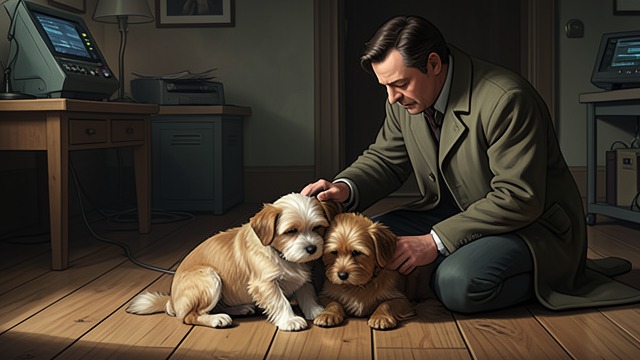
Small Creatures at Home
Comfort and continuity
Cromwell’s small dogs offer uncomplicated affection amid political strain and family grief. Their presence recalls the dog he loved as a child and the comfort he could not preserve then.
A domestic language
Household members speak through pets, food, and daily care. The animal world provides moments of tenderness that political language cannot easily offer.
Hunting and the Court

Sport as Power
Royal recreation
Henry’s hunting and archery display physical mastery and noble identity. Cromwell understands the sport but often prefers it to war because it costs less and leaves fewer people dead.
Animals as instruments
Hounds, hawks, and horses are trained and valued for service. Their treatment reflects a court that admires beauty and skill while treating living creatures as resources.
The Lion and the Servants
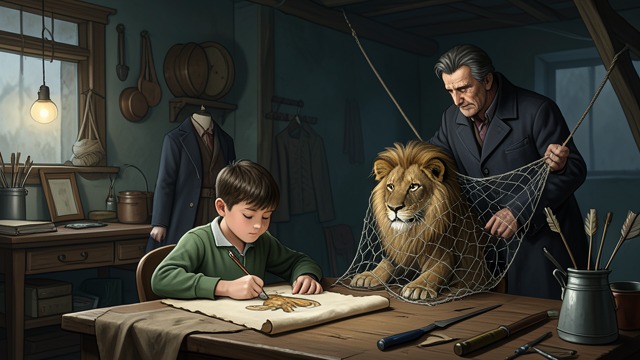
Courage in a Household Tale
Wyatt’s story
Henry Wyatt tells how his son drew a lion away from him, only for the animal to be killed by arrows and a net. The tale turns bravery into a family legend.
Stories and their cost
The story delights the household but also exposes how people use animals to demonstrate courage and status. Cromwell’s political world is similarly full of predators, handlers, and people who mistake danger for spectacle.
1527–1530
1531–1534
1533–1535
